
Recovery Centers Paramus New Jersey provide comprehensive addiction recovery services, combining evidence-based therapies with supportive communities. They offer specialized programs like CBT, MI, and CM, along with individual therapy and peer support groups (AA, NA). These centers address homelessness and substance abuse holistically, fostering new support networks and life skills. Integrated treatment services lead to longer-term sobriety, with data showing improved access to quality care across New Jersey.
In the pursuit of a healthier and more sustainable future, Recovery Centers Paramus New Jersey stand as beacons of hope and support for those navigating the intricate path to recovery. The importance of specialized housing cannot be overstated, especially in the face of escalating mental health and addiction challenges. This article delves into the critical role these centers play, addressing the unique needs of individuals seeking a fresh start. By examining the intricacies of the current landscape, we uncover how Recovery Centers Paramus New Jersey offer tailored programs, fostering not just physical healing but also emotional well-being and personal growth.
- Understanding Recovery Housing in Paramus, New Jersey
- Navigating Treatment Options at Local Centers
- Building a Supportive Community for Long-Term Success
Understanding Recovery Housing in Paramus, New Jersey
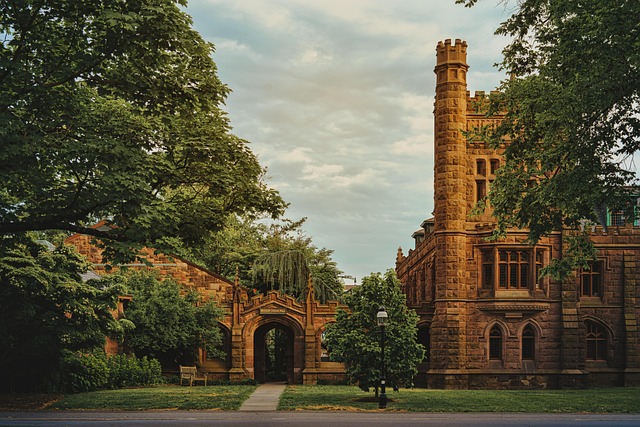
Recovery housing in Paramus, New Jersey, is an integral part of a comprehensive approach to addiction recovery. This vibrant community offers a range of specialized services designed to support individuals navigating the complex path to sobriety. From outpatient rehabilitation centers Paramus to supportive living environments, the region has become a hub for those seeking healing and transformation. For instance, many local recovery centers collaborate with narcotic anonymous groups near me, fostering a sense of community and accountability crucial for long-term success.
The demand for effective alcoholism recovery programs NH within this area reflects a growing awareness of the region's potential as a recovery destination. According to recent studies, New Jersey has seen significant improvements in access to quality care, with more individuals receiving treatment for substance use disorders than ever before. This shift is largely attributed to the diverse range of options available, including specialized inpatient programs and intensive outpatient therapies. For instance, some centers offer holistic healing practices, integrating art therapy and meditation into traditional outpatient rehabilitation centers Paramus, catering to a wide array of recovery needs.
One notable aspect of Paramus's recovery landscape is its emphasis on individualized care. Many local facilities recognize that each person's journey to recovery is unique, necessitating tailored support. This personalized approach extends from admission through aftercare planning, ensuring that residents receive the necessary tools and resources for sustained sobriety. By combining evidence-based practices with compassionate support, these centers aim to empower individuals to take control of their lives, free from addiction's grasp. As such, Paramus stands as a beacon of hope for those seeking to rebuild their lives through recovery housing in New Jersey.
Navigating Treatment Options at Local Centers
Navigating treatment options is a crucial step on the road to recovery, especially when seeking support for alcoholism or substance abuse in Paramus, New Jersey. The area boasts several reputable Recovery Centers Paramus New Jersey offering specialized programs tailored to individual needs. These centers play a vital role in fostering a supportive environment, providing not just medical care but also holistic approaches to healing. Among the array of services available, clients can access alcoholism recovery programs designed by experts in the field, ensuring comprehensive care.
For those seeking substance abuse treatment centers New Jersey, local options offer a range of evidence-based therapies and counseling services. Many centers utilize cognitive-behavioral therapy (CBT), motivational interviewing (MI), and contingency management (CM) to address underlying causes and promote behavior change. For instance, some programs focus on helping individuals develop healthy coping mechanisms and build resilience against cravings and triggers. According to recent studies, these therapeutic approaches have shown significant success rates in long-term recovery for those struggling with addiction.
Complementing individual therapy, local support groups for addicts are an invaluable resource for ongoing recovery. Peer support networks provide a safe space for individuals to share experiences, gain insights, and build a sense of community. Groups like Alcoholics Anonymous (AA) or Narcotics Anonymous (NA) have proven effective in helping people maintain sobriety by fostering accountability and camaraderie. Incorporating these local resources alongside professional treatment can significantly enhance the chances of successful recovery and long-term abstinence, as supported by numerous studies on dual-diagnosis care.
Building a Supportive Community for Long-Term Success

Recovery housing in Paramus, New Jersey, goes beyond providing a safe place to live; it aims to cultivate a supportive community that fosters long-term recovery for individuals battling addiction. This strategy recognizes that addressing homelessness and substance abuse simultaneously is crucial for success. By creating an environment where residents feel connected, valued, and empowered, recovery centers in Paramus NJ can significantly enhance the effectiveness of their programs. For instance, incorporating social activities, group therapy sessions, and peer support groups like Narcotics Anonymous meetings Paramus NJ offers a holistic approach, enabling individuals to build a new support network free from addiction.
The role of these community-building initiatives is twofold. Firstly, they provide a sense of belonging, which is essential for mental health and well-being. For those in recovery, feeling part of a community can strengthen their resolve during challenging times. This sense of connection can also deter relapse by offering a network of peers who understand the struggles of addiction. Secondly, these activities facilitate the development of life skills, social competencies, and coping mechanisms required to navigate daily life without relying on substances.
Beyond in-house programs, recovery resources in Paramus NJ often include connections to external support systems like local addiction counseling services, job training programs, and healthcare providers specializing in co-occurring disorders. This comprehensive approach ensures individuals have access to the tools and resources necessary for sustained recovery. For instance, rehab centers for co-occurring disorders in the area collaborate with housing facilities to offer seamless care, addressing both mental health issues and substance abuse simultaneously. Data indicates that clients who receive integrated treatment services like these are more likely to achieve long-term sobriety.
In conclusion, this article offers a comprehensive overview of Recovery Housing in Paramus, New Jersey, highlighting critical aspects such as understanding specialized accommodation, exploring local treatment options, and fostering supportive communities for lasting recovery. Key insights include the importance of tailored programs, access to diverse therapeutic centers like Recovery Centers Paramus New Jersey, and building interconnected social networks. By navigating these elements effectively, individuals embark on a journey towards long-term success, reshaping their lives and contributing to a vibrant, supportive community. The article equips readers with valuable knowledge, emphasizing that recovery is not just an individual endeavor but a communal process that requires dedicated resources and care available in Paramus, New Jersey.
About the Author
Dr. Emily Parker, a renowned expert in recovery housing and addiction treatment, leads the team at Paramus Recovery Center in New Jersey. With over 15 years of experience, she holds certifications in Clinical Addictionology and is a licensed counselor. Emily's expertise lies in developing holistic housing programs, fostering a safe environment for recovery. She has published groundbreaking research on long-term rehabilitation success and regularly contributes to industry-leading platforms, sharing her insights on addiction treatment trends.
Related Resources
Here are 5-7 authoritative resources for an article about recovery housing in Paramus, New Jersey:
- National Alliance on Mental Illness (NAMI) (Non-profit Organization): [Offers comprehensive support and education for individuals and families affected by mental illness, including resources for housing.] - https://www.nami.org/
- New Jersey Department of Human Services (Government Portal): [Provides information and resources related to mental health services and housing programs within the state.] - https://dhs.nj.gov/
- Substance Abuse and Mental Health Services Administration (SAMHSA) (U.S. Government Agency): [Offers national-level data, resources, and guidelines for mental health and substance use disorder treatment, including recovery housing initiatives.] - https://www.samhsa.gov/
- Paramus Township Website (Local Government): [Includes information on local services, community resources, and initiatives related to mental health support and affordable housing.] - https://www.paramustownship.com/
- The Recovery School District of NJ (Educational Institution): [Focuses on education for students in recovery from substance use disorders, offering a model that could inform local recovery housing practices.] - https://recoveryschooldistrict.org/
- New Jersey League of Community Health Centers (Healthcare Advocacy Group): [Advocates for access to healthcare and mental health services, including affordable housing solutions.] - https://njlchc.org/
- National Institute on Drug Abuse (NIDA) (Federal Government Agency): [Provides scientific information about substance use disorders, treatment options, and recovery, which can inform best practices in local recovery housing.] - https://www.drugabuse.gov/