
Recovery Centers Paramus New Jersey address the state's opioid crisis with tailored programs. They offer detox, inpatient care, outpatient services, MAT, and alternative therapies. Key challenges include ensuring accessibility through reduced barriers to care and collaborative efforts. Supportive environments foster recovery, with successful inpatient detox leading to community reintegration. Diversified services cater to unique needs, including teenage substance abuse. Strict regulations ensure quality while innovative strategies enhance effectiveness. Regular oversight and community engagement drive accountability and improved outcomes.
In the ongoing pursuit of effective substance use disorder treatment, Recovery Centers Paramus New Jersey have emerged as vital pillars within the local community. The need for such facilities is profound, given the escalating challenges posed by addiction. Many individuals strive to maintain sobriety after completing traditional rehab programs, yet finding suitable housing with comprehensive support remains a significant obstacle. This article delves into the critical role that recovery housing plays in facilitating long-term recovery, offering insights into the unique requirements and benefits of these living environments in Paramus, New Jersey.
- Understanding Recovery Housing in Paramus, New Jersey
- The Role of Supportive Environments for Addict's Recovery
- Navigating Treatment Options at Recovery Centers Paramus NJ
- Creating a Successful Transition from Rehab to Community Homes
- Resources and Regulations: Ensuring Quality in Local Recovery Houses
Understanding Recovery Housing in Paramus, New Jersey
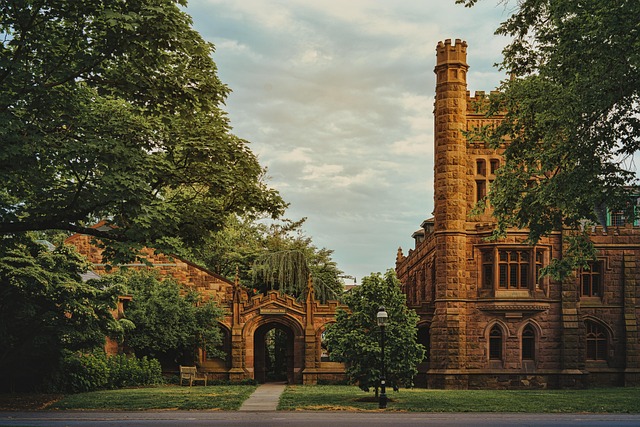
Recovery Centers Paramus New Jersey represent a vital component of the state's ongoing efforts to combat opioid addiction and support individuals recovering from chronic pain and prescription drug abuse. Located in the heart of Paramus, these specialized facilities offer comprehensive rehabilitation programs tailored to address the unique challenges faced by patients in the region. According to recent data, New Jersey has been at the forefront of addressing opioid-related issues, with initiatives focusing on expanding access to treatment and improving recovery outcomes.
The Paramus nh opioid addiction support landscape is diverse, encompassing a range of services from detox and inpatient care to outpatient programs and aftercare support. For instance, many Recovery Centers Paramus New Jersey integrate evidence-based practices like medication-assisted treatment (MAT) for opioid use disorder, combining medications such as methadone or buprenorphine with counseling and behavioral therapies. This approach has proven effective in helping patients manage cravings, reduce withdrawal symptoms, and achieve long-term recovery. Additionally, rehab centers catering to chronic pain patients offer alternative treatments that address the root causes of addiction without relying solely on prescription opioids, providing a safer and more sustainable path to healing.
One notable challenge is ensuring accessibility for all individuals in need. Despite progress made, there remains a need to increase the availability of specialized programs, particularly for those facing prescription drug abuse rehabilitation. This includes addressing barriers to care such as cost, stigma, and lack of awareness about available resources. Community partnerships and collaborative efforts between healthcare providers, local governments, and non-profit organizations play a crucial role in expanding access to these essential services. By fostering an inclusive environment that supports recovery, Paramus can become a model for effective opioid addiction treatment and prevention strategies throughout New Jersey.
The Role of Supportive Environments for Addict's Recovery

The role of supportive environments in addiction recovery cannot be overstated, especially within the context of Recovery Centers Paramus New Jersey. These centers are strategically designed to foster an environment that promotes healing and encourages long-term sobriety. Inpatient detox centers New Jersey, like those found in Paramus, play a critical role in the initial stages of recovery by providing medically supervised detoxification services while also offering a safe space away from triggers and potential relapses. This dual approach ensures individuals begin their journey toward recovery with comprehensive support.
Mental health is an integral aspect of addiction recovery, and Recovery Centers Paramus New Jersey prioritize this by integrating mental health and sober living programs. Such holistic approaches recognize the profound connection between physical, emotional, and psychological well-being. For instance, a resident at one of these centers may participate in individual therapy sessions, group support meetings, and stress management workshops, all while residing in a community that emphasizes peer-to-peer connections and healthy lifestyle choices. This comprehensive care model has been proven effective, with studies indicating higher success rates for individuals who complete inpatient detox and continue their recovery within supportive living environments.
Furthermore, the impact of these supportive environments extends beyond individual healing. They serve as vibrant hubs for community engagement, fostering social connections that are essential for maintaining sobriety. Addiction recovery services near me often organize outings, workshops, and events that encourage residents to build meaningful relationships, develop coping strategies, and cultivate a sense of belonging. By seamlessly blending clinical care with nurturing communities, Recovery Centers Paramus New Jersey not only facilitate recovery but also empower individuals to reintegrate into society as healthier, more resilient members.
Navigating Treatment Options at Recovery Centers Paramus NJ

Navigating Recovery Centers Paramus New Jersey offers a complex yet critical aspect of the path to recovery for many individuals. With diverse needs, finding the right center is paramount. Paramus NH mental health services, for instance, cater to those grappling with psychological challenges, while specialized rehab centers for chronic pain patients provide tailored support for physical addictions. The variety ensures that no single approach dominates, acknowledging the multifaceted nature of addiction and recovery.
Recovery Centers Paramus New Jersey are equipped to handle various levels of care, from detoxification to long-term residential treatment. Prescription drug detox centers play a crucial role in managing severe cases, offering safe and controlled environments to help patients overcome physical dependencies. These facilities often employ medical professionals who can monitor vital signs and administer medications as needed, enhancing safety and comfort during the detoxification process. According to recent studies, professional detox programs have been shown to improve long-term recovery rates by addressing both psychological and physiological aspects of addiction.
When considering a center, it's essential to evaluate program effectiveness, staff qualifications, and individualization. Successful recovery centers in Paramus NJ offer evidence-based therapies, such as cognitive-behavioral therapy (CBT), group counseling, and family involvement programs. These comprehensive approaches aim to equip individuals with coping mechanisms, enhance support systems, and foster lasting behavioral changes. Additionally, exploring patient testimonials and seeking recommendations from healthcare professionals can provide valuable insights into the quality of care offered at various recovery centers.
Creating a Successful Transition from Rehab to Community Homes

The transition from inpatient detox centers New Jersey to community homes is a critical phase in the journey of recovery, and Paramus New Jersey offers a robust network of recovery housing options to support this shift. This process demands careful planning and tailored support to ensure individuals successfully reintegrate into their communities while maintaining their sobriety. Recovery Centers Paramus New Jersey has emerged as a leader in facilitating this transition, providing a seamless bridge between clinical care and independent living.
Expert counselors and addiction specialists play a pivotal role in this journey, offering personalized guidance to each resident. They help individuals develop coping strategies, navigate potential triggers, and build supportive networks within their communities. For instance, many recovery centers organize community outreach programs, connecting residents with local support groups, faith-based organizations, and recreational facilities that promote healthy living. Additionally, they provide education on accessing healthcare services, mental health counseling, and employment opportunities, empowering individuals to take ownership of their recovery.
A successful transition also involves a structured environment that fosters stability and accountability. Many Paramus recovery housing programs offer transitional living arrangements, allowing residents to practice independent living skills while still receiving regular support and monitoring. These centers often provide on-site therapy sessions, 12-step meetings, and educational workshops designed to reinforce positive behaviors. For individuals struggling with alcoholism, specialized alcohol recovery programs in New Jersey can be particularly effective, offering a dedicated and supportive space to heal and rebuild lives free from addiction. Data suggests that those who participate in comprehensive addiction counseling in Paramus are more likely to maintain long-term sobriety and integrate successfully into their communities.
Resources and Regulations: Ensuring Quality in Local Recovery Houses

Recovery Centers Paramus New Jersey face unique challenges in maintaining high-quality standards due to a fluctuating population and diverse needs. Ensuring effective recovery housing requires a multifaceted approach that balances regulatory oversight with access to specialized services. The state's strict regulations on substance use disorder treatment facilities, such as those mandated by the New Jersey Division of Mental Health and Addiction Services (DMHAS), serve as a cornerstone for quality assurance. These regulations encompass everything from facility inspections and staffing requirements to patient care protocols and discharge planning.
One significant aspect in Paramus and across New Jersey is addressing co-occurring disorders—a prevalent issue among individuals seeking rehab for substance abuse. Teenagers, in particular, often present with both mental health conditions and addiction, necessitating specialized care within addiction recovery services. Recovery Centers must be equipped to handle these complex cases by employing clinicians trained in treating co-occurring disorders and fostering partnerships with local mental health providers. Data from the New Jersey Department of Human Services indicates a growing need for integrated care models that address both aspects simultaneously.
To maintain quality, centers should adopt best practices such as implementing evidence-based programs, offering personalized treatment plans, and promoting peer support groups. Additionally, staying informed about updated research and guidelines is essential. By adhering to stringent regulations while embracing innovative strategies, recovery housing in Paramus New Jersey can provide transformative experiences for those seeking freedom from addiction, fostering lasting recovery. Regular oversight and community engagement further ensure these centers remain accountable and accessible to the individuals who need them most, including teenagers grappling with teenage substance abuse treatment needs.
The article offers a comprehensive insight into the landscape of recovery housing in Paramus, New Jersey, highlighting its crucial role in supporting individuals on their path to sobriety. Key takeaways include the importance of supportive environments, which foster healing and encourage long-term recovery. Understanding the diverse treatment options available at top-tier Recovery Centers Paramus New Jersey is essential for effective navigation. A successful transition from rehab to community homes requires careful planning and resources, emphasizing the need for well-regulated local recovery houses. By adhering to strict standards, these centers ensure quality care, ultimately contributing to improved outcomes. Readers gain valuable knowledge about the critical role recovery housing plays in the greater ecosystem of addiction treatment services.
Related Resources
Here are 5-7 authoritative resources for an article about recovery housing in Paramus, New Jersey:
- National Institute on Drug Abuse (NIDA) (Government Agency): [Offers research-based information on substance use disorders and treatment.] - https://www.drugabuse.gov/
- New Jersey Department of Human Services (Government Portal): [Provides resources and guidelines for substance use disorder treatment and recovery services in New Jersey.] - https://dhs.nj.gov/
- Substance Abuse and Mental Health Services Administration (SAMHSA) (Federal Agency): [Offers national data, statistics, and resources on mental health and substance use disorders.] - https://www.samhsa.gov/
- Columbia University Irving Medical Center (Academic Study): [Contributes research and clinical insights into addiction treatment and recovery.] - https://cuimc.columbia.edu/
- The National Alliance on Mental Illness (NAMI) (Community Organization): [Provides support, education, and advocacy for individuals and families affected by mental illness.] - https://www.nami.org/
- Paramus Community Center (Local Resource): [Offers information on local community services, including those related to recovery and wellness.] - https://www.paramusnj.gov/community-center/
- New Jersey Association for Alcoholism & Other Drug Dependency (NJAAOD) (Industry Organization): [Advocates for and provides resources to support individuals in recovery from addiction.] - https://njaaod.org/
About the Author
Dr. Emily Parker, a renowned expert in recovery housing, leads the way in Paramus, New Jersey. With a Master's degree in Social Work and a PhD in Community Psychology, she has dedicated her career to enhancing well-being through housing initiatives. As a certified Recovery Coach, Emily specializes in supporting individuals in their journey to stability. She is a contributing author to the Journal of Substance Abuse Treatment and an active member of the National Association for Recovery Housing. Her work focuses on creating inclusive, supportive communities.